7 Essential Pressure Washing Safety Tips for Homeowners
Pressure washing is one of the fastest ways to refresh driveways, decks, fences, pavers and exterior walls. It is also one of the most underestimated DIY jobs. A typical domestic pressure washer produces anywhere from 1,500 to 3,000 PSI, and commercial units go well beyond that. At those pressures, a jet of water can cut skin, drive bacteria into tissue, strip timber and force water behind cladding. For Toowoomba homeowners, the job comes with local factors too: hot summer sun, sudden storms, older Queenslander-style timber homes and a wide range of surfaces, from exposed aggregate to painted weatherboard.
The seven safety tips below will help you protect yourself, your family and your property, and help you recognise when it is smarter to call a professional.
1. Wear the Right Protective Gear
Personal protective equipment is not optional. Debris such as gravel, chipped paint and grit can be launched at high speed, and spray can bounce back at your face and legs.
- Safety glasses or goggles rated for impact, to protect against flying debris and chemical splashback.
- Closed-toe, non-slip boots, preferably steel-capped or heavy-duty rubber. Never wear thongs or sandals.
- Long pants and long sleeves to reduce the risk of abrasions and cuts from ricocheting debris.
- Gloves to improve grip and protect your hands when handling detergents.
- Hearing protection, especially with petrol-powered machines, which can exceed safe noise levels during extended use.
2. Never Point the Spray at People or Pets
A pressure washer is a tool, not a toy. Water at 2,000 PSI or more can cause serious injuries, including lacerations and deep tissue damage. One of the most dangerous outcomes is an injection injury, where water, along with bacteria and contaminants, is forced beneath the skin. These injuries can look minor on the surface but often require urgent surgical treatment.
Keep children and pets well away from the work area. Never test the spray on your hand or foot, and never use the wand to wash dirt off your shoes or clothing. If someone is injured by the spray, seek medical attention immediately, even if the wound looks small.

3. Respect the Dangers of Electricity and Water
Mixing water and electricity is a serious hazard. Electric pressure washers must be connected to a power point protected by a residual current device (RCD), also known as a safety switch. In Australia, safety switches are required on new household circuits, but older Toowoomba homes may not have one on every circuit. Check your switchboard before you begin.
- Use an outdoor-rated extension lead only when necessary, and keep it as short as possible and fully uncoiled.
- Keep plugs and connections off wet ground and away from pooling water.
- Inspect power cords for cuts, cracks or exposed wires before every use.
- Never spray near power points, meter boxes, exterior lights, air conditioning units or overhead service lines.
If you notice damage to a cord or the unit trips your safety switch repeatedly, stop using the machine and have it repaired or replaced.
4. Stay Safe on Ladders, Slippery Surfaces and Uneven Ground
Falls are among the most common causes of pressure washing injuries. The wand creates a strong recoil force, and if you are on a ladder when you pull the trigger, that kickback can throw you off balance. Wet concrete, moss-covered pavers and algae-slick decking all become extremely slippery once you start washing.
Avoid using a pressure washer from a ladder wherever possible. Use an extension wand or a telescopic lance to reach higher areas from the ground. Toowoomba's sloping blocks and terraced gardens add to the risk, so always make sure you have a stable footing before you start. Never wash gutters, second-storey walls or roof surfaces while standing on a ladder or roof. These jobs are best left to trained professionals with proper fall protection equipment.
5. Choose the Correct Pressure, Nozzle and Technique
Using too much pressure is a safety issue as well as a property damage issue. Damaged surfaces can become rough, splintered or uneven, which creates trip hazards. High-pressure water can also dislodge roof tiles, break window seals and force water into wall cavities and electrical conduits.
Match the Nozzle to the Job
Nozzles are colour coded by spray angle. A narrow 0-degree red nozzle concentrates the water into a destructive pinpoint jet and should almost never be used by a homeowner. For most household cleaning, a 25-degree or 40-degree nozzle is far safer and more effective. Use a soap nozzle for applying detergents at low pressure.
Use Safe Technique
- Start with the nozzle at least 30 to 50 centimetres from the surface and move closer only if needed.
- Keep the spray moving in even, overlapping strokes.
- Always test a small, inconspicuous area first.
- Hold the wand with both hands and brace yourself against recoil.
- Engage the trigger lock whenever you pause or move.
Softer surfaces such as timber decking, weatherboard, painted render and older brickwork need a much gentler approach than concrete. Older homes in Toowoomba's established suburbs may also have lead-based paint on exterior surfaces. Blasting it off with a pressure washer can spread toxic paint chips and dust through your garden and neighbouring properties, so test old paint before you begin.
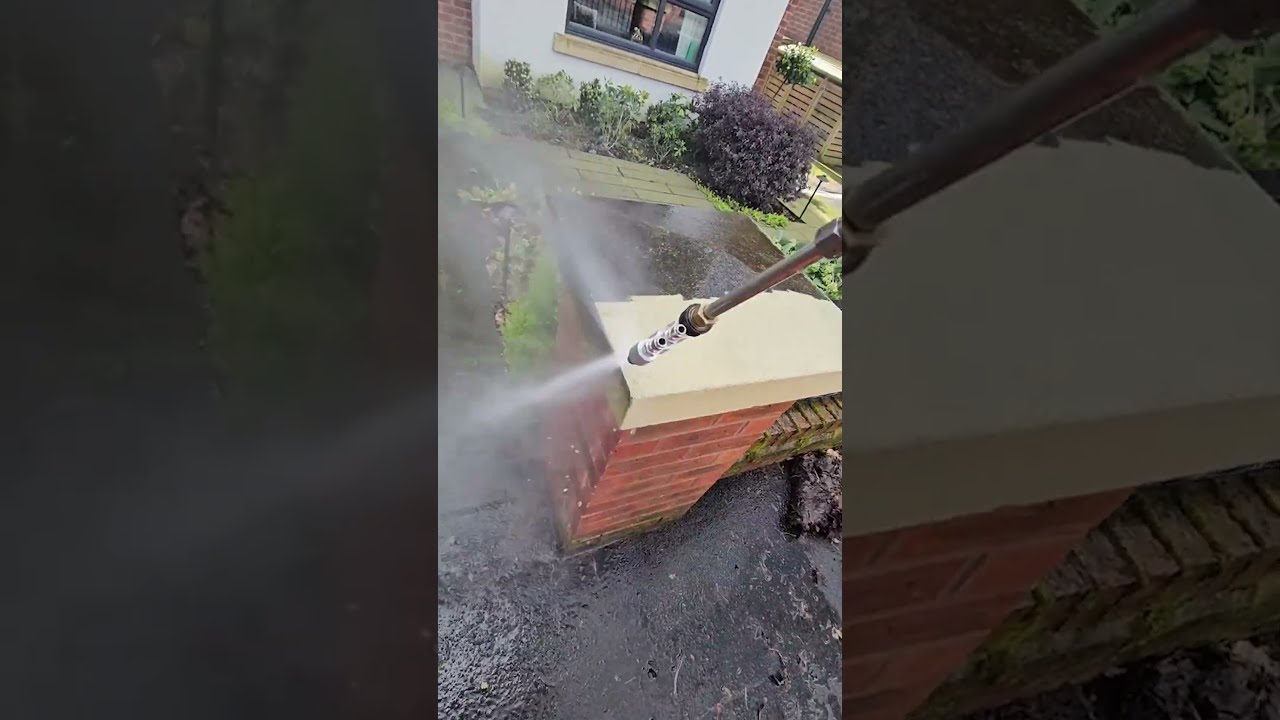
6. Handle Fuel, Chemicals and Runoff Responsibly
Many homeowners add detergents, degreasers or mould treatments to improve results. These products can irritate skin and eyes and can be harmful if inhaled or mixed incorrectly. Always read the label and follow the manufacturer's dilution and safety instructions. Never mix chemicals, particularly products containing bleach with those containing ammonia or acids, as the resulting fumes can be dangerous.
If you use a petrol-powered pressure washer, operate it only in a well-ventilated outdoor area. Engines produce carbon monoxide, an odourless and deadly gas, so never run one inside a garage, shed or enclosed carport. Allow the engine to cool before refuelling, and store fuel in an approved container https://daltonlunf587.trexgame.net/what-to-look-for-when-hiring-a-toowoomba-pressure-cleaner away from ignition sources.
Runoff also matters. Water carrying detergents, oil, paint residues and dirt can end up in stormwater drains, which flow untreated into local creeks and waterways. Toowoomba is home to important catchments, and keeping contaminants out of the stormwater system is both good practice and a legal responsibility under Queensland environmental regulations. Wash vehicles and oily surfaces on a lawn or gravel area where the water can soak in, use biodegradable products where possible, and collect wastewater from heavily contaminated surfaces rather than letting it run down the street.
7. Prepare the Work Area and Maintain Your Equipment
Good preparation prevents most pressure washing accidents. Before you start, walk the area and remove anything that could become a hazard or be damaged by the spray.
- Clear the area of toys, furniture, pot plants, tools and loose objects.
- Close windows and doors, and cover outdoor power points and light fittings.
- Check the weather. Avoid washing in strong winds, which carry spray and chemicals onto neighbours, or during storms, when lightning is a risk.
- Inspect the machine. Check hoses, fittings and the trigger gun for leaks, cracks or wear. A burst high-pressure hose can whip violently and cause injury.
- Connect and purge properly. Attach the hoses, turn on the water and squeeze the trigger to release trapped air before starting the motor.
After use, switch off the machine, release the residual pressure by squeezing the trigger, and then disconnect the hoses. Drain the water from the pump and store the unit in a dry, secure location, out of reach of children. In Toowoomba, where winter mornings can drop below freezing, water left in the pump or hoses can freeze and crack internal components, so drain thoroughly before storing the equipment for the colder months.
When to Call a Professional Pressure Washing Service
Even with careful preparation, some jobs carry too much risk for DIY. Consider hiring a qualified professional if you are dealing with any of the following:
- Two-storey homes, roofs, gutters or any work at height
- Surfaces that may contain lead paint or asbestos-containing materials, which are common in homes built before the late 1980s
- Delicate materials such as old render, soft sandstone, heritage timber or tiled roofs
- Large areas such as extensive driveways, commercial frontages or long fence lines
- Heavy mould, oil or rust staining that needs specialised treatments
Professional operators use commercial-grade equipment, hold appropriate insurance, understand surface-specific pressure settings and follow safe work procedures, including proper wastewater management. For many homeowners, the cost of a professional service is far lower than the cost of repairing damaged surfaces or treating an injury.
Final Thoughts
Pressure washing can transform the look of your Toowoomba home, remove slippery moss and algae, and extend the life of your outdoor surfaces. But the same power that cleans so effectively demands respect. Wear protective gear, keep people and pets clear, manage electrical and chemical risks, choose the right nozzle and pressure, protect local waterways and prepare thoroughly. If a job seems beyond your skills or equipment, getting a local professional involved is a smart, safe decision. A few minutes of planning today can prevent an injury, a costly repair or an unwelcome trip to the emergency department tomorrow.
Toowoomba Pressure Cleaning Pros
(07) 4646 4034